Hidden Delites Blog
The History of Earrings
From Clip-Ons to Piercings and Ear Cuffs
Earrings
Earrings are something we're all familiar with, but did you know that pierced ears weren't always the norm? Our mums, grandmas and generations before them wore earrings without needing pierced ears. From screw-backs to clip-ons, there were all sorts of clever ways to wear earrings. Let's take a look at how these styles changed over the decades.
1920s
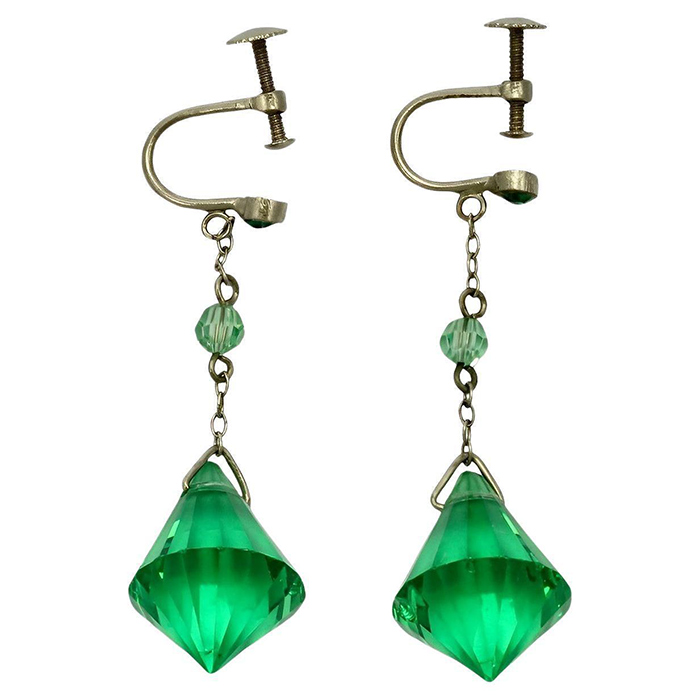
Screw-back earrings were widely worn. Flapper fashions, bobbed hairstyles and long Art Deco earrings made earrings especially fashionable. To wear the non piercing jewelry they had a screw back. Quite fiddly but they worked.
1930s
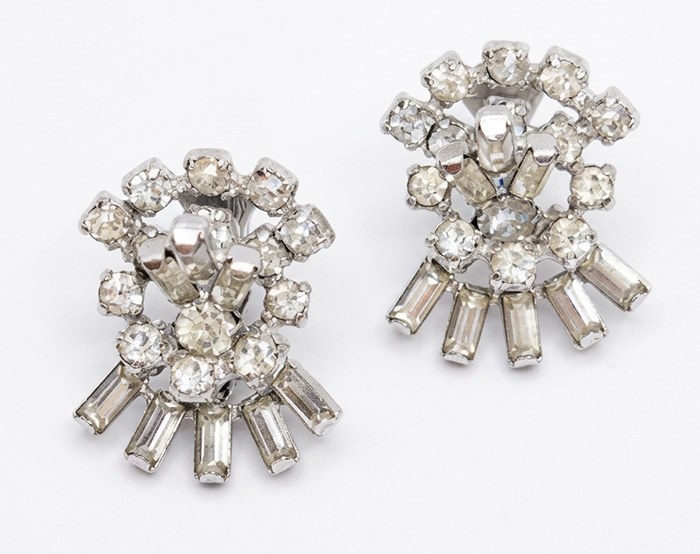
Hinged clip fittings became increasingly popular, offering an easier alternative to screw-back earrings. Hollywood glamour helped popularise sparkling costume jewelry.
B.A. Ballou & Co., an American jewelry findings manufacturer, received one of the earliest documented US patents for a clip earring designed for unpierced ears in 1934. There would have been a few pairs knocking around before then but this is the first documented patent.
1940s
Clip-on earrings were mainstream fashion. Gold-coloured designs, flowers, scrolls and decorative metalwork were particularly fashionable.
World War II influenced what earrings were made from, how they looked and why women wore them. American manufacturers such as Trifari began using sterling silver, sometimes plated with gold, instead of their usual base metals. Trifari's wartime sterling pieces are now particularly collectible.
As well as inexpensive costume jewelry. This helped women maintain a sense of glamour and individuality when clothing was restricted. Some manufacturers would use plastics, wood and glass.
1950s
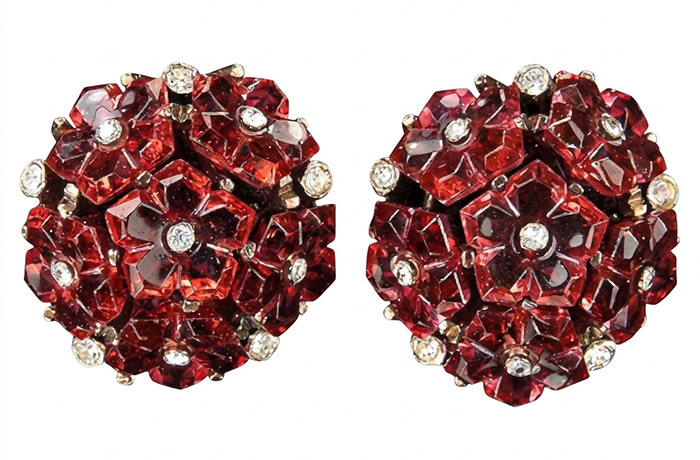
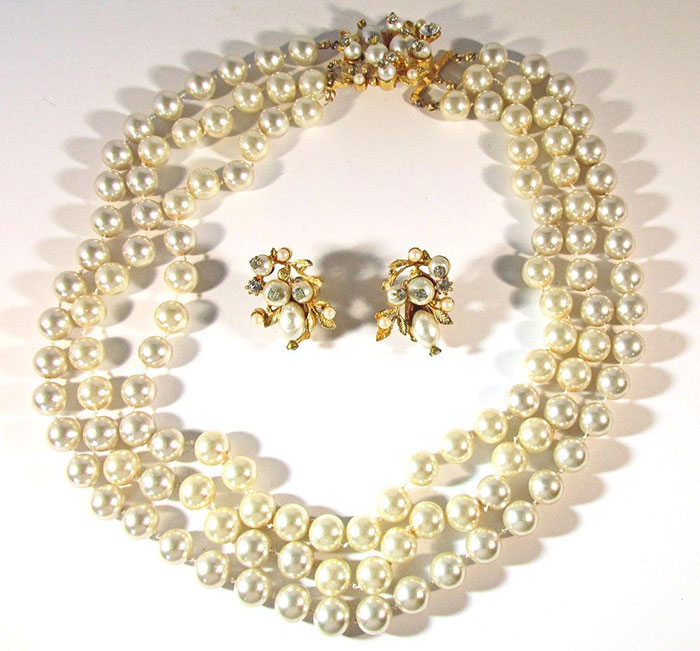
Many women still didn't have pierced ears. Clip-ons and screw-back earrings were standard jewelry choices. Pearls, rhinestones and matching necklace-and-earring sets were very popular in the 1950s.
1960s
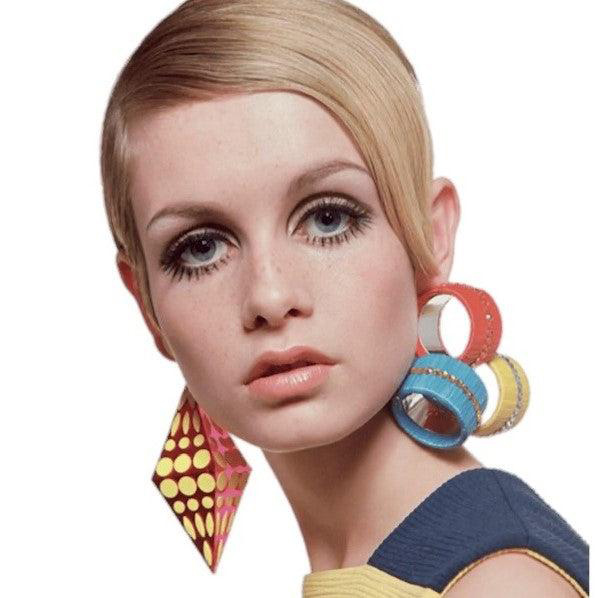
Clip-on earrings were still extremely fashionable at the beginning of the decade, but pierced earrings were gradually becoming more popular. Especially among younger women who were being influenced by changing attitudes towards fashion and personal freedom.
Large geometric earrings, bright colours and bold designs were in fashion. Think of Twiggy.
1970s
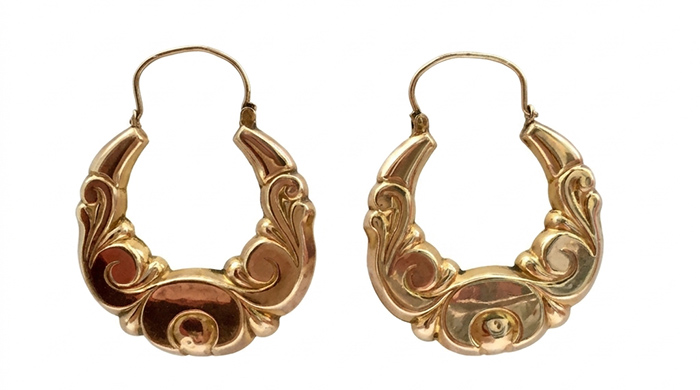
Pierced ears became increasingly common, particularly among younger women. Clip-ons remained available, but pierced hoops and delicate dangling earrings gained ground. What with the hippies and then the disco era. Piercings were now all the rage. Not forgetting the punk error. Some kids were wearing saftey pins in their ears.
1980s
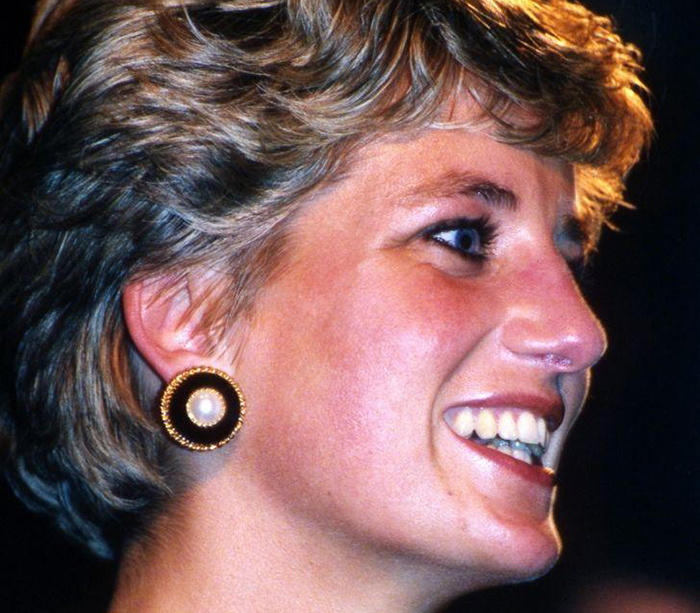
After the long, flowing hippie earrings of the 1970s, the 1980s brought back bold costume jewelry. Oversized gold-tone earrings, imitation pearls, large buttons, flowers and geometric shapes were everywhere. The 1980s were a huge decade for clip-on earrings, especially those big, chunky, glamorous designs. Princess Diana was one of the most recognisable fashion icons wearing them.
1990s
The 1990s brought a dramatic change in fashion. After the glamorous, oversized clip-on earrings of the 1980s, jewelry became more casual and individual.
Small silver hoops, simple studs and dangling earrings were popular, while the minimalist fashions of the mid-1990s encouraged a more delicate look.
Grunge music influenced a generation of young people. Understated silver jewelry became fashionable.
However, not everyone followed grunge or minimalism. Hip-hop and pop culture kept large gold hoops firmly in fashion.
Pierced earrings had become the dominant choice, and body piercing was increasingly visible in mainstream fashion.

2000s
The 2000s were particularly interesting because fashion became increasingly influenced by celebrities and the internet. Women could see a pair of earrings worn on the red carpet and find something similar in the shops soon afterwards.
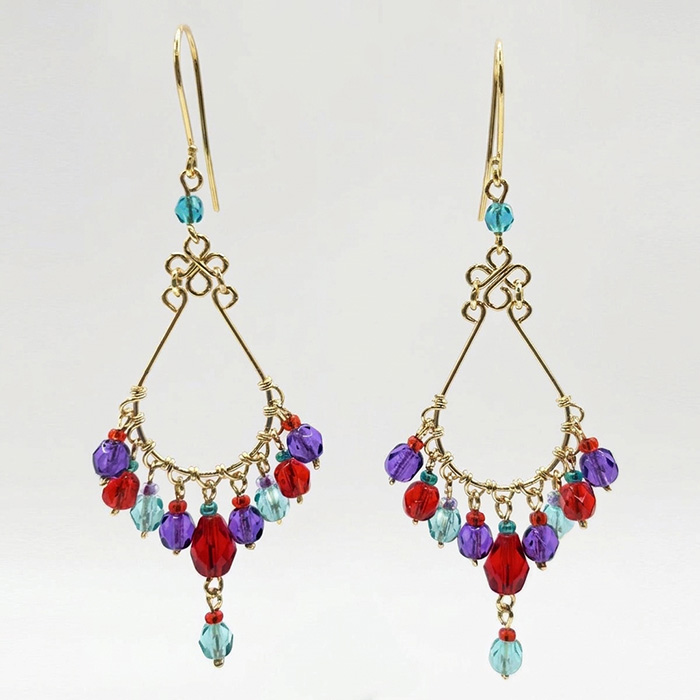
The arrival of the new millennium brought a playful, glamorous approach to jewelry. Large hoop earrings continued to be fashionable, while long, sparkling chandelier earrings and delicate dangling designs became particularly popular.
2010s
The 2010s brought an exciting new direction to earring fashion. While traditional pierced earrings remained popular, designers began experimenting with jewelry that decorated more than just the earlobe.
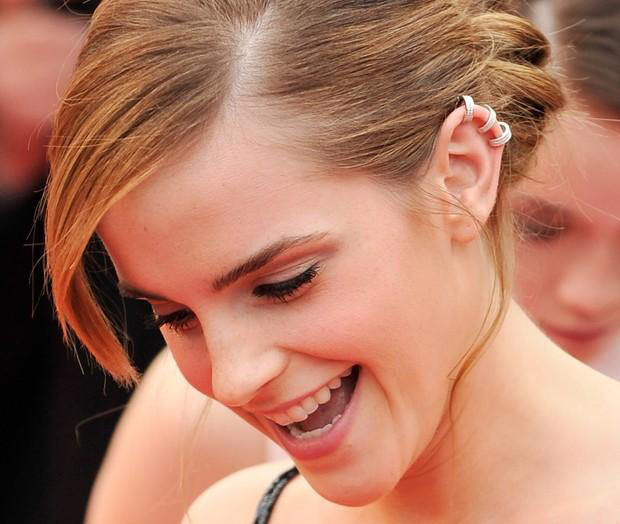
Ear cuffs became one of the decade's most recognisable trends, appearing on fashion catwalks and red carpets. Celebrities including Emma Watson, Rihanna and Sienna Miller helped draw attention to bold and unconventional ear jewelry.
By the middle of the decade, ear climbers, mismatched earrings and oversized statement designs were also fashionable. Large hoops, colourful tassels and geometric earrings offered plenty of choice. Women were having multiple piercings.
2020s
The 2020s have brought a new freedom to earring fashion. Rather than following one particular style, people are embracing individuality, mixing different metals, shapes and designs to create their own look.
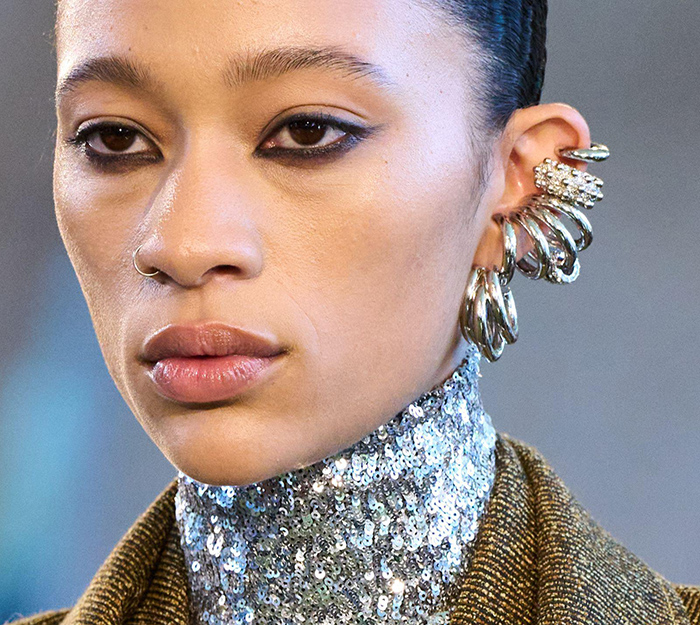
Chunky hoops, sculptural earrings, mismatched pairs, delicate studs and elaborate ear cuffs have all become fashionable. The popular 'curated ear' allows people to combine several different pieces, sometimes mixing pierced earrings with non-piercing cuffs.
Pierced Ears have become a Craze!
In October 1965, TIME magazine reported that pierced ears had become a craze among American teenage girls. At one Houston high school, the proportion of girls with pierced ears reportedly jumped from just a handful to 30% in only a few months.
That's quite remarkable. It shows just how quickly fashion trends could change, even long before social media.
It wasn't that clip-on earrings were inferior. Changing fashions, social attitudes and the growing availability of ear piercing all played a part. Women simply had more choices.
Fast-forward to the 2020s, and we can see how social media, influencers, actors and music stars can introduce new jewelry trends to millions of people almost overnight.
Celebrities such as Miley Cyrus have helped make bold, statement ear jewelry fashionable. Her styling of ear cuffs has become a popular way to create an eye-catching look without needing pierced ears.

Today, ear cuffs are worn by women and men of all ages. From simple sterling silver bands to elaborate gold-plated designs, they offer an exciting alternative to traditional earrings.
Clip on Earrings essentially non-piercing jewelry never really went away. It simply evolved with fashion, finding a new generation of admirers.
At Hidden Deliteswe offer Sterling Silver Ear Cuffs and Gold Plated Ear Cuffs. But we are always open for new designs. Have an idea. We can make it for you.
Frequently Asked Questions
Why did women start having their ears pierced?
There wasn't one single reason.
1. Young women wanted something different from their mothers. Clip-ons were associated with the established fashions of the 1940s and 1950s. Pierced ears could feel younger, freer and slightly rebellious.
2. Fashion was changing. The hippie movement encouraged long, dangling earrings and jewellery influenced by cultures where ear piercing had long been customary.
3. Pierced earrings could be more comfortable. Some clip-ons pinched the earlobes, especially when worn all day. A well-healed piercing allowed women to wear lightweight studs or dangling earrings without clip pressure.
Where did people get their Ears Pierced?
During the 1960s, many women still had their ears pierced at home or by a doctor.
By the 1970s, piercing services were becoming more readily available in jewellery shops and department stores.
By the 1980s, some rebellious girls and boys were piercing their own at home with a needle and ice!
Today there are many good quality piercing shops around to choose from.
What Do You Think?
Our choices have never been greater. Have you ever worn clip on earrings. Do you follow the trends? Your comments, feedback and ideas are always welcome.
Hidden Delites has been making custom handmade nipple and body jewelry since 2001.
Your comment has been submitted and will appear after approval.